


Your employer health plan may not include dental, vision, life, disability, or supplemental coverage. Learn how to identify and fill coverage gaps.

Breast Cancer Awareness Month is a reminder to know your normal, discuss screening with your doctor, and understand how your health coverage supports cancer care.
Retiring soon? Review seven key financial decisions involving investments, Social Security, Medicare, RMDs and retirement income before you retire.

Freelance and contract work keeps growing. Gig work typically doesn't include traditional employer-sponsored benefits. Here is how independent workers can build health coverage that handles uneven income.

Online calculators are only a starting point. Here is a simple four-part way to think through how much life insurance fits your family and your budget.

Learn how annuities can provide guaranteed retirement income, help manage longevity risk, and add stability to a retirement strategy during uncertain markets.

Outdated beneficiaries can send your life insurance money to the wrong person. Learn the common risks and how to keep your policy current.
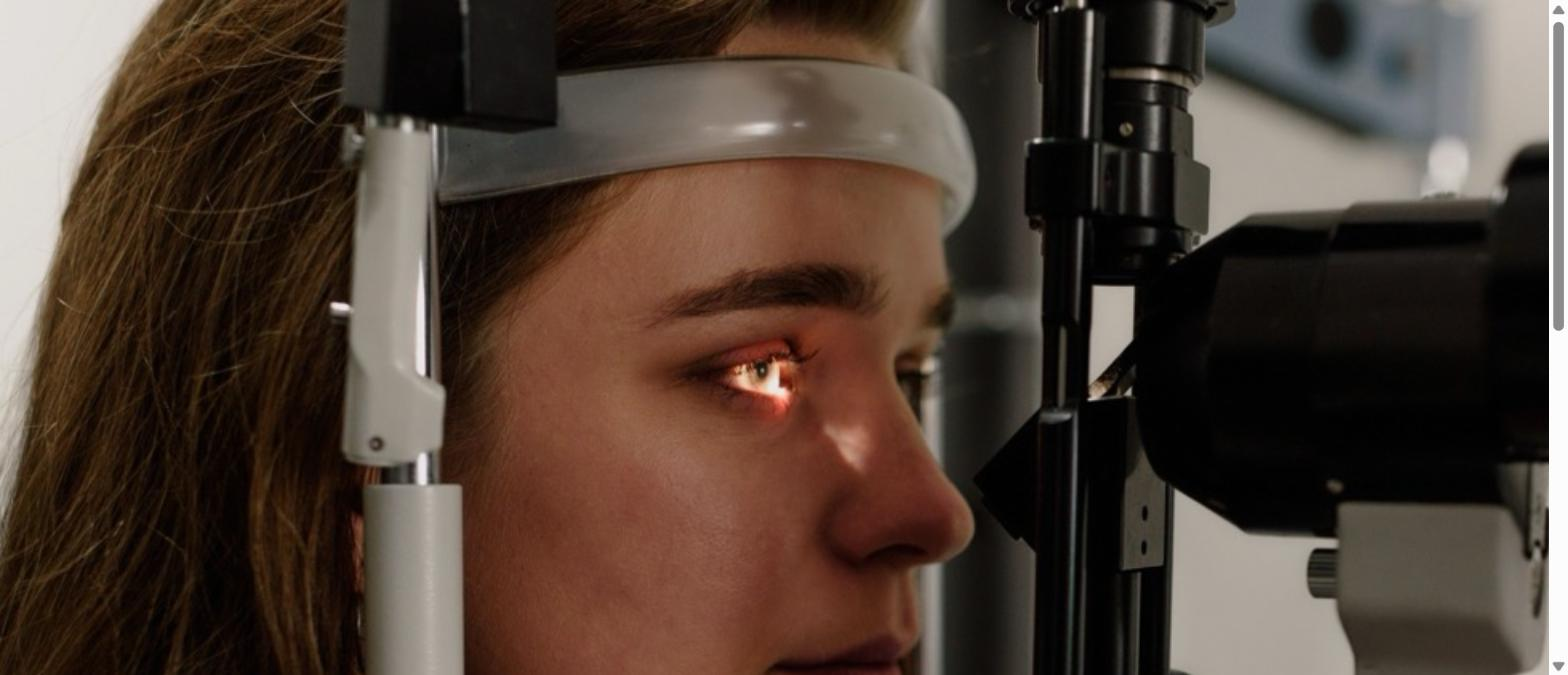
A comprehensive eye exam can reveal early signs of serious health conditions. Learn how vision insurance helps cover exams, glasses, and contact lenses.

Learn how hybrid life insurance combines a death benefit with long-term care coverage, so premiums generally aren't wasted if care is never needed.